Beyond the claims

Neurotechnology and wellness devices,
compared by evidence.

Mental wellness hardware makes big promises. We map the mechanisms, evidence, routines, and real costs—so you can compare what is actually being sold.

Data last reviewedPrices · evidence · owner ratings
Research snapshot
05products
mapped
04distinct
mechanisms
29references
used

Similar promises do not mean similar technology.

Our starting position

No product paid to appear. Manufacturer claims are treated as claims until supported by suitable evidence. Some outbound links may become affiliate links later; rankings will never be sold.

Side by side

The quick scan.

Clinical evidence, regulatory position, owner experience, and commercial clarity are separate signals. A strong rating in one does not cancel weakness in another.

Snapshot reviewed

ProductTypeRoutineStarting priceOngoing costsClinical evidenceAnxiety evidenceRegulationOwner experienceCommercial clarity
NurosymLeft earElectrical stimulation30–60 minDaily€700One-time purchaseNo subscription or gelDevelopingTechnology-levelSome controlled auricular-tVNS research reports anxiety improvements, but it is not Nurosym-specific. [17]Medical deviceCE-marked medical device in Europe4.3/51,250 reviews · TrustpilotClearerOne-time purchase with no required app, subscription, gel, or proprietary consumable.
Pulsetto LiteNeckElectrical stimulation4–10 minDaily; some official guidance suggests 2–3×/day$269Current sale price; list $469Conductive gel; Premium app optionalEarlyNot establishedNo independent peer-reviewed device-specific anxiety trial was used in this edition. Wellness productGeneral wellness product4.2/53,402 reviews · TrustpilotWatchPromotion-heavy pricing, required gel, and optional paid app features make the real cost less straightforward.
Apollo WearableWrist, ankle, or clothingVibrotactile cues30–60 min per Vibe3+ hr/day total, at least 5 days/week$448Includes one year of SmartVibesSmartVibes membership after included yearEarlyNo added benefitA small direct study found no significant GAD-7 improvement versus control in its specialist setting. [04]Wellness productConsumer wellness wearable3.1/5230 reviews · TrustpilotMixedThe included membership year helps, but paid features and replacement costs complicate long-term ownership.
Sensate 2SternumVibroacoustic relaxation10–30 minDaily minimum; extra sessions optional$269Current US base-device priceOptional Sensate Plus: $49.99/yearLimitedNot establishedNo peer-reviewed device-specific anxiety trial was found in this edition. Wellness productConsumer wellness device3.9/51,580 reviews · TrustpilotMixedBase use is possible without consumables, but additional sound content is tied to an optional annual membership.
Flow FL-100ForeheadClinical brain stimulation30 min5×/week for 3 weeks; then 3×/week ongoing€459EU purchase price; rental availableReplacement electrode padsClinicalNot its indicationThe evidence and regulatory assessment here concern major depression, not anxiety treatment. Medical deviceMedical device; FDA-approved for adult MDD in the US4.5/5786 reviews · TrustpilotMixedPurchase and rental routes are visible, but recurring electrode-pad costs materially affect the total.

Launch comparison

Start with the mechanism,
not the promise.

These products all speak the language of calm, sleep, or resilience. Underneath, they range from guided vibration to regulated brain stimulation.

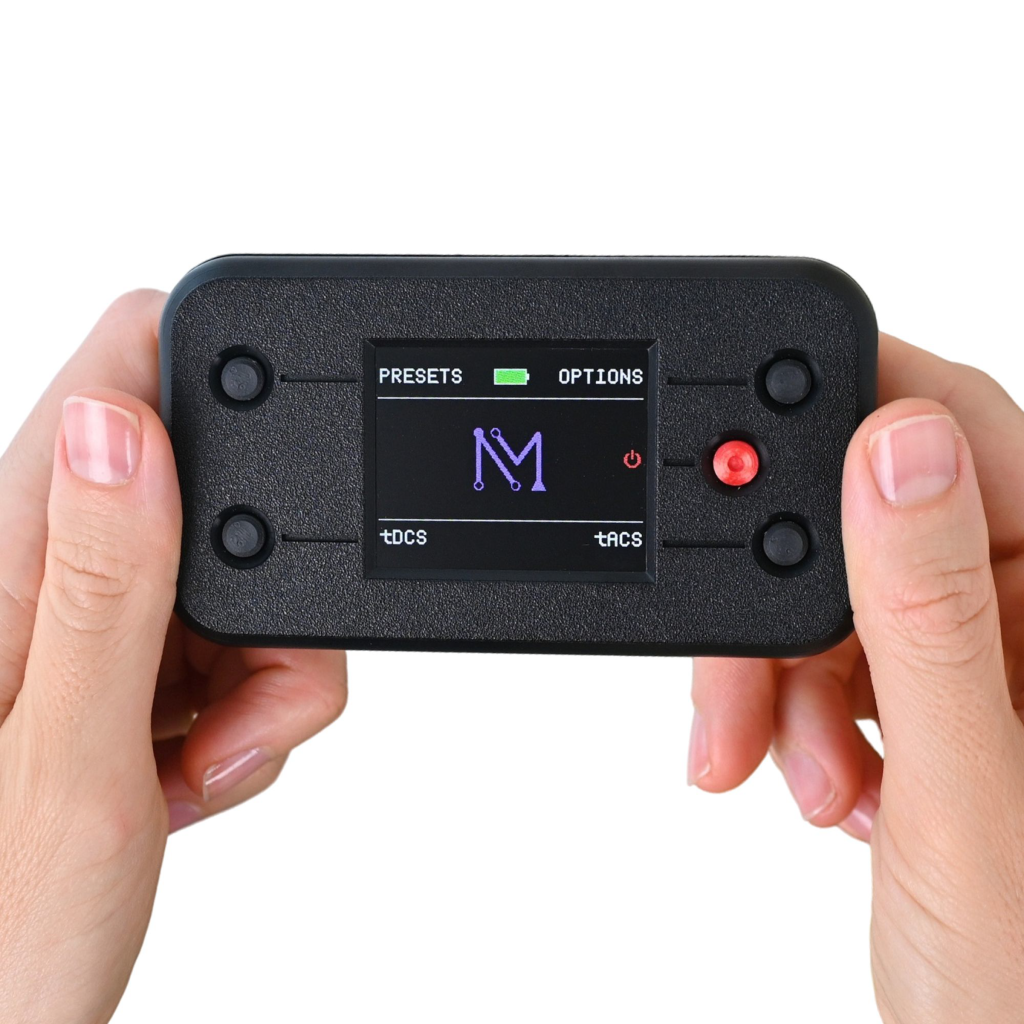
01Electrical stimulationNurosym handheld controller with its wired ear electrode

Parasym

Nurosym

€700One-time purchase
Worn
Left ear
Routine
30–60 minDaily
Extras
No subscription or gel
Evidence viewDeveloping
What it supports

At technology level, a meta-analysis pooled 12 randomized studies and 838 participants with depressive disorders. It reported symptom improvement signals, so auricular tVNS is more than a purely theoretical mechanism.

A separate double-blind sham-controlled study in 26 people with POTS used one hour of auricular stimulation daily for two months and reported effects on orthostatic tachycardia and inflammatory markers. A 42-person anxiety trial also found a signal with auricular tVNS.

What it does not prove

The depression review rated certainty low to very low. Studies differ in diagnosis, ear target, waveform, dose, comparator, follow-up, and device, so a pooled technology signal cannot validate every Nurosym outcome claim.

The POTS and anxiety trials were small and condition-specific. They do not establish general stress, sleep, cognition, or long-term wellness benefits, and the official product page remains a manufacturer source rather than independent clinical proof.

Sources used
Regulation & safetyMedical device

Nurosym is presented as a CE-marked non-invasive neuromodulation medical device in Europe. CE marking and intended use are regional regulatory facts; they are not equivalent to FDA approval or proof of every marketing claim.

Official guidance says not to use it after cervical vagotomy, with severe resting bradycardia, during pregnancy, or with metal or electronics near the tragus. Implanted devices, serious coronary disease or recent myocardial infarction, and pediatric use require professional supervision.

Expected tolerability issues include tingling, ear discomfort, irritation or redness. The manufacturer also lists temporary nausea, headache, confusion, malaise, or weakness; its adverse-event summary is manufacturer-reported, not an independent estimate of incidence.

Sources used
Owner experience4.3/5
4.3/51,250 reviews · Trustpilot

The 3 August snapshot was 72% five-star and 7% one-star, with 417 reviews posted in the preceding 12 months. Nurosym invites reviews and Trustpilot says it replies to 98% of negative reviews, typically within 24 hours.

Positive themes cluster around responsive support, a manageable routine, and perceived benefit. Critical themes include earpiece fit and contact, discomfort, electrode durability, delivery or return friction, and no noticeable effect despite consistent use.

This is brand-level self-selected feedback, not a representative clinical cohort. The score cannot estimate response rate, adverse-event frequency, or causality, but recurring hardware and service themes are useful ownership signals.

Source used
Commercial clarityClearer

One-time purchase with no required app, subscription, gel, or proprietary consumable.

The checked EU product price was €700. The controller and wired earpiece work without an app, and the normal routine does not require conductive gel or a content membership.

The trial is described as 30 days, with the refund period expiring 37 days after purchase; the customer pays return postage and the warehouse inspects the return before refunding. The controller warranty is two years, while the earpiece electrode is covered for six months.

Longer-term cost risk is concentrated in the proprietary earpiece after its shorter warranty rather than in a subscription. Country taxes, delivery, and replacement-part pricing should still be checked at checkout.

Sources used
May suit

People prioritizing published research, no subscription, and an ear-based protocol.

Look closer

The longest daily routine here; wired earpiece; high initial cost.
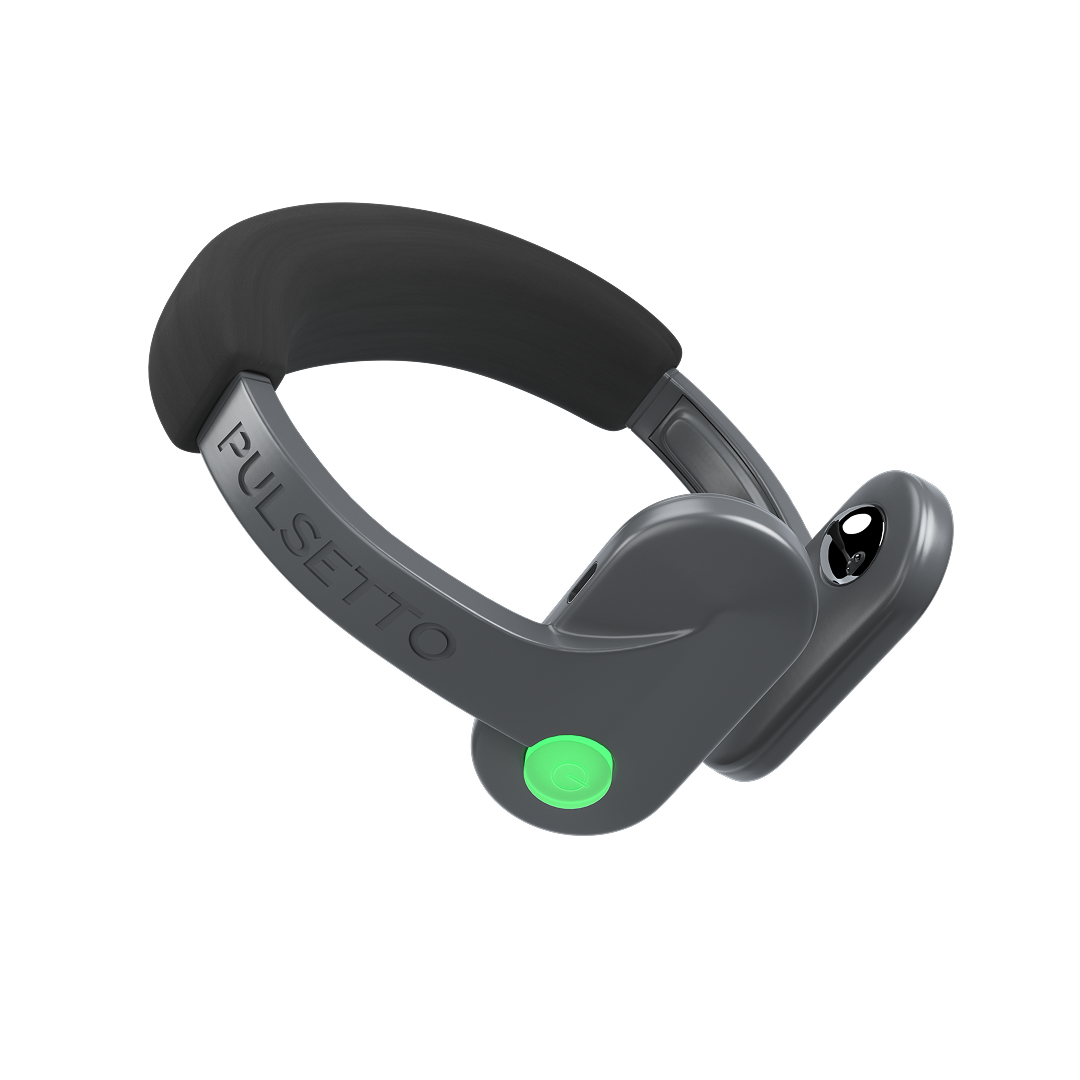
02Electrical stimulationBlack Pulsetto Lite neck-worn stimulation device

Pulsetto

Pulsetto Lite

$269Current sale price; list $469
Worn
Neck
Routine
4–10 minDaily; some official guidance suggests 2–3×/day
Extras
Conductive gel; Premium app optional
Evidence viewEarly
What it supports

Cervical non-invasive VNS has a plausible research base independent of Pulsetto. In a double-blind randomized sham-controlled study of 25 people with PTSD, active stimulation reduced several physiological responses to acute stress over a three-day protocol.

Pulsetto publishes an open-label randomized study page and current product claims for stress and sleep. Those materials show that the exact device is being studied and define its intended protocol, but they remain manufacturer-hosted evidence rather than an independently replicated peer-reviewed result.

What it does not prove

The independent PTSD study used a different cervical device, population, schedule, and physiological endpoints. It cannot be transferred directly to Pulsetto Lite or to consumer claims about anxiety, sleep, burnout, gut health, or pain.

An open-label product study is vulnerable to expectancy, reporting, and comparator effects. In this refresh we did not identify an independent peer-reviewed sham-controlled Pulsetto Lite trial establishing the marketed mental-health outcomes.

Sources used
Regulation & safetyWellness product

Pulsetto states that the product is for general wellness and is not intended to diagnose, treat, cure, or prevent disease. Its program names may sound clinical, but they do not make it an authorized medical treatment.

The manufacturer advises against use with active implanted electronics, metal near the neck, simultaneous electrical stimulation, or certain cardiovascular and neurological histories. Pregnancy, pediatric use, cancer, abnormal neck anatomy, seizures, syncope, and recent myocardial infarction are also listed as unevaluated or contraindicated contexts.

Official guidance says stimulation should feel like mild tingling rather than pain and suggests reducing intensity or using one side if uncomfortable. Because the device stimulates the neck, uncertainty about rhythm disorders, blood pressure, implants, or seizures warrants clinician review before use.

Sources used
Owner experience4.2/5
4.2/53,402 reviews · Trustpilot

The 3 August snapshot was 62% five-star and 15% one-star, with 2,597 reviews in the preceding 12 months. Pulsetto invites reviews and Trustpilot says it replies to 100% of negative reviews, typically within 24 hours.

Positive themes include easy setup, a short routine, and perceived relaxation or sleep benefit. Negative themes repeatedly mention app or Bluetooth access, unexpected subscription or charge confusion, support and refund friction, fit, and devices that stop connecting or charging.

The unusually large and polarized review set is useful for operational themes but not for efficacy. Invited, self-selected brand reviews cannot control for placebo effects, concurrent changes, non-use, or who chooses to post.

Source used
Commercial clarityWatch

Promotion-heavy pricing, required gel, and optional paid app features make the real cost less straightforward.

On 3 August the Lite page showed $269 against a $469 reference price. The box includes one 60 g gel tube, the free app, five core programs, USB-C cable, and a 14-day Premium trial; the device requires gel and app pairing to begin sessions.

The same storefront showed a gel box at $51 and a 12-month Premium option at $139 against a higher reference price. Core sessions are described as usable without a paid subscription, but buyers should verify trial renewal, included programs, and regional checkout terms.

The official offer includes a 30-day money-back window and two-year warranty. Heavy discounts, multiple bundles, optional content, and a consumable make the headline price less informative than the first-year ownership path.

Sources used
May suit

People who want short, hands-free sessions and app-guided programs.

Look closer

Gel is required; prices are promotion-heavy; not marketed as a medical device.

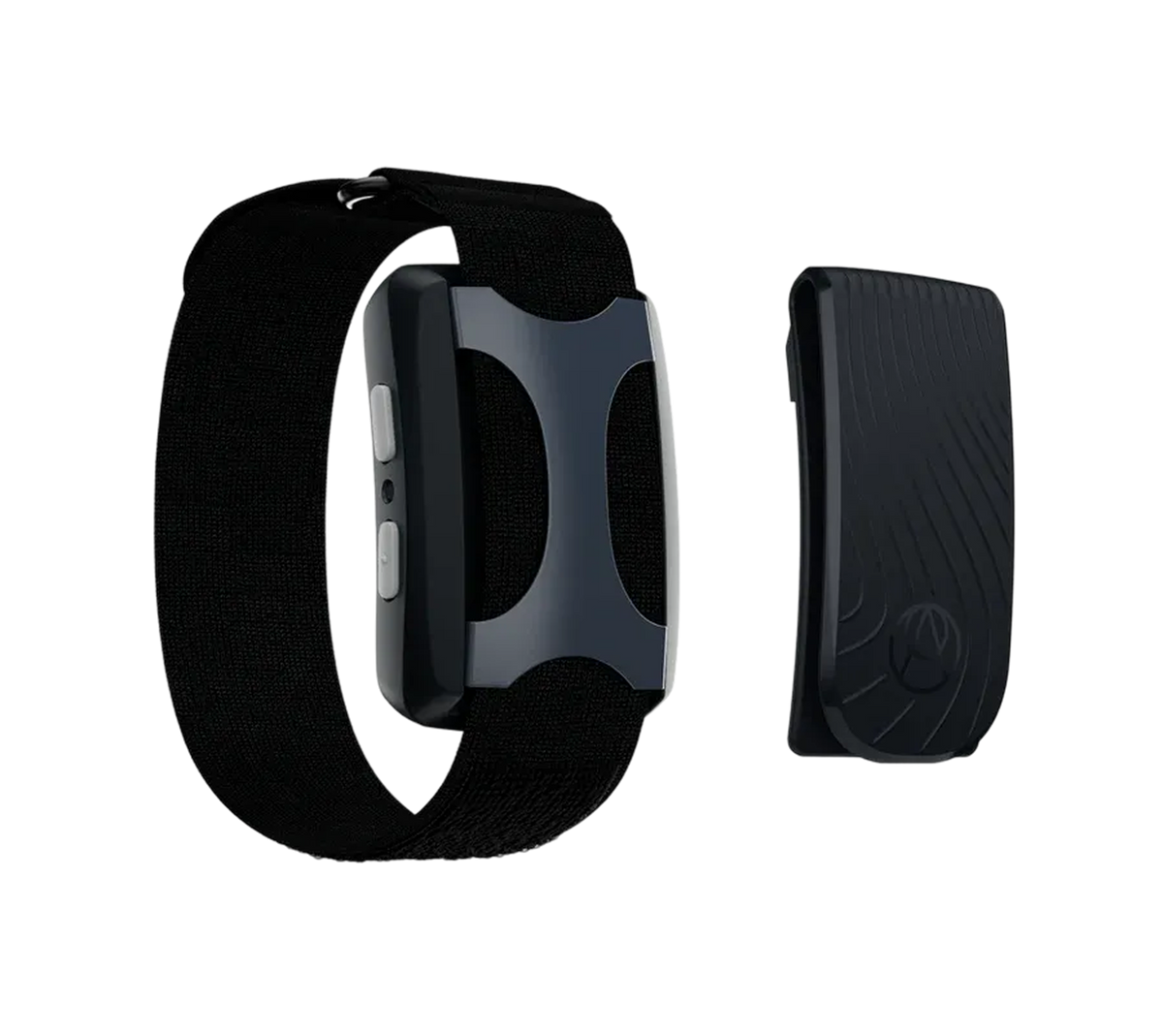
03Vibrotactile cuesApollo wearable shown with wrist band and clip

Apollo Neuroscience

Apollo Wearable

$448Includes one year of SmartVibes
Worn
Wrist, ankle, or clothing
Routine
30–60 min per Vibe3+ hr/day total, at least 5 days/week
Extras
SmartVibes membership after included year
Evidence viewEarly
What it supports

A preliminary prospective study randomized 66 medical and pharmacy students to Apollo or a waitlist for 12 weeks. The device group improved on burnout and the Medical Student Well-Being Index relative to control, supporting further study in that population.

A second device-specific paper evaluated Apollo alongside a 12-week ketamine-assisted therapy program. Having two direct human studies is more informative than mechanism claims or internal wearable telemetry alone.

What it does not prove

The student pilot used a waitlist rather than an indistinguishable vibration sham, so expectation, attention, and self-report bias remain plausible. It was small, population-specific, and did not improve every outcome, including resilience or alcohol use.

The ketamine-program analysis included 16 Apollo and 18 control participants and was not a clean randomized device trial. Both groups improved; after balancing baseline factors there was no significant between-group GAD-7 difference (p=0.63). Neither paper establishes the marketed “up to 60 minutes more sleep” claim.

Sources used
Regulation & safetyWellness product

Apollo explicitly describes the wearable as a consumer wellness device that is not FDA-approved to treat or cure a medical condition. ISO 13485 manufacturing language concerns quality systems, not clinical authorization or efficacy.

The device provides vibration rather than electrical stimulation. Official guidance says not to apply it over injured or irritated skin and to reduce intensity, loosen the strap, or move the device if wearing it is uncomfortable.

The product page advises keeping it more than 15 cm from medical devices. Users with implanted or body-worn medical electronics, significant symptoms, or a diagnosed condition should not treat a wellness claim as a substitute for professional care.

Sources used
Owner experience3.1/5
3.1/5230 reviews · Trustpilot

The 3 August snapshot was 39% five-star and 22% one-star across 230 reviews, with 54 reviews in the preceding 12 months. This is the lowest score and smallest review base in the comparison, so both the level and uncertainty matter.

Positive owners describe perceived help with sleep, stress, focus, or an easy daytime routine. Critical themes repeatedly concern battery degradation, charging and Bluetooth failures, straps or clips, app access, membership value, replacement handling, and slow support.

Trustpilot feedback is self-selected and brand-level, and some complaints concern service rather than the physiological intervention. It cannot establish efficacy, but the concentration of reliability and support complaints is material at this price.

Source used
Commercial clarityMixed

The included membership year helps, but paid features and replacement costs complicate long-term ownership.

The checked US bundle was $448 and included the wearable, band, clip, charger, app access, and one year of SmartVibes valued by Apollo at $99. Apollo now says wearables require a SmartVibes membership for use, while device-only replacements are routed through support for existing members.

Hardware has a one-year warranty. New-device returns must be requested within 30 days of delivery and arrive in like-new original packaging; outbound shipping, international duties, and a $10 return shipping and handling fee are not refunded.

The first-year bundle is easy to price, but useful life, membership renewal, battery failure outside warranty, and replacement-device handling determine longer-term cost. Those dependencies justify a Mixed rather than Clearer label.

Sources used
May suit

People wanting a discreet wearable with daytime modes, schedules, and no electrical current.

Look closer

Core claims rely on vibration rather than direct electrical nerve stimulation; membership adds cost.

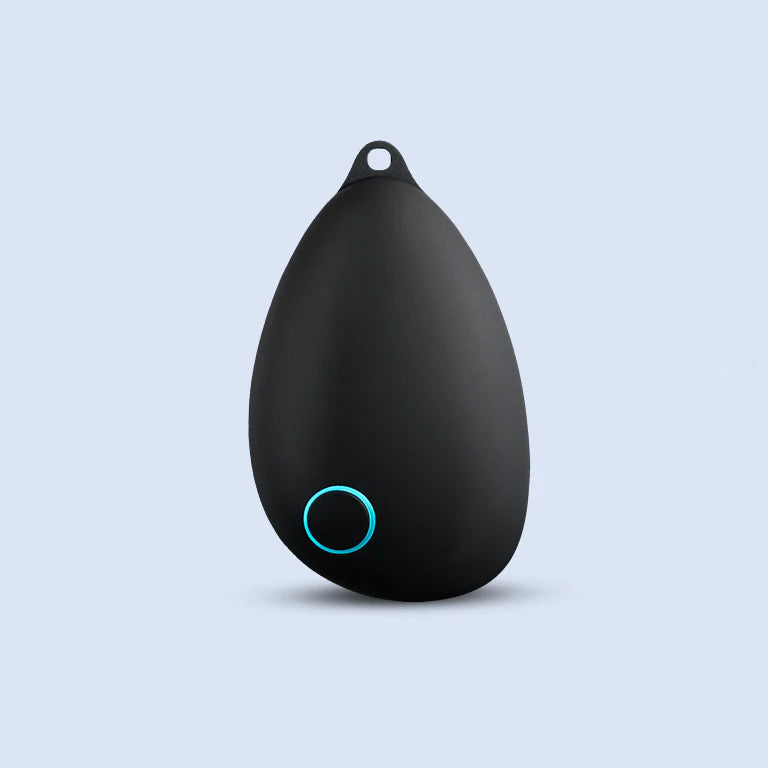
04Vibroacoustic relaxationBlack pebble-shaped Sensate 2 device with an illuminated blue ring

BioSelf Technology

Sensate 2

$269Current US base-device price
Worn
Sternum
Routine
10–30 minDaily minimum; extra sessions optional
Extras
Optional Sensate Plus: $49.99/year
Evidence viewLimited
What it supports

A registered Sensate II utilization study planned to measure perceived stress around 10–30 minute cross-modal acoustic and vibration sessions. That registration shows an exact-device research question and pre-specified outcomes, although it is not a published result.

A broader scoping review found 20 vibroacoustic-therapy studies in adults with pain. The literature provides a research rationale for low-frequency sound and vibration as an intervention class, but the devices, doses, conditions, and outcomes varied substantially.

What it does not prove

A trial registration does not show that a study was completed, analyzed, peer reviewed, or positive. In this refresh we did not identify a published sham-controlled Sensate 2 trial establishing effects on anxiety, stress, sleep, HRV, or diagnosed mental-health conditions.

The broader review focused on pain and did not test Sensate. Pairing chest vibration with relaxing audio also makes it necessary to separate device-specific effects from music, attention, expectation, quiet rest, and regression to the mean.

Sources used
Regulation & safetyWellness product

Sensate describes itself as a non-medical wellness device. Its CE mark is presented for electrical, safety, and emissions compliance; it is not a medical-device authorization for treating anxiety, PTSD, sleep disorders, or other diagnoses.

The manufacturer does not recommend use during pregnancy because it has not been specifically tested, and advises people with implanted electronic devices such as pacemakers not to use it. Adult use has much more documentation than pediatric use.

Sensate applies near-infrasound vibration to the sternum and pairs it with audio; it does not electrically stimulate the vagus nerve. Claims about “toning” or calming the nervous system should therefore be read as manufacturer positioning, not a verified neural target or clinical outcome.

Sources used
Owner experience3.9/5
3.9/51,580 reviews · Trustpilot

The 3 August snapshot was 73% five-star and 16% one-star across 1,580 reviews, with 326 reviews in the preceding 12 months. Sensate invites reviews; Trustpilot says it replies to 39% of negative reviews, typically within one month.

Positive themes include a calming ritual, perceived sleep or relaxation benefit, and helpful individual support interactions. Negative themes cluster around app loading or Bluetooth, weak or inconsistent vibration, rattling, device faults, return handling, and little perceived benefit.

The star distribution is more polarized than the 3.9 average alone suggests. These are brand-level anecdotes without a control group, so they are useful for friction and durability patterns—not response rates or clinical claims.

Source used
Commercial clarityMixed

Base use is possible without consumables, but additional sound content is tied to an optional annual membership.

The current US product page showed $269 for one Sensate and $279 for a Plus pack. The base purchase includes the device, lanyard, app, and foundational soundscape library; no consumable or required subscription is listed.

Sensate Plus costs $49.99 per year and unlocks the larger premium sound library. The free library keeps the hardware usable without renewal, which limits lock-in compared with products whose core programs require membership.

The return window is 90 days, but the customer normally pays return shipping and import duties are not refunded. The limited warranty is 12 months and remedies are repair or replacement after authorization and inspection.

Sources used
May suit

People seeking a screen-light relaxation ritual without electrical stimulation.

Look closer

Not electrically stimulating the vagus nerve; direct device-specific evidence is limited.

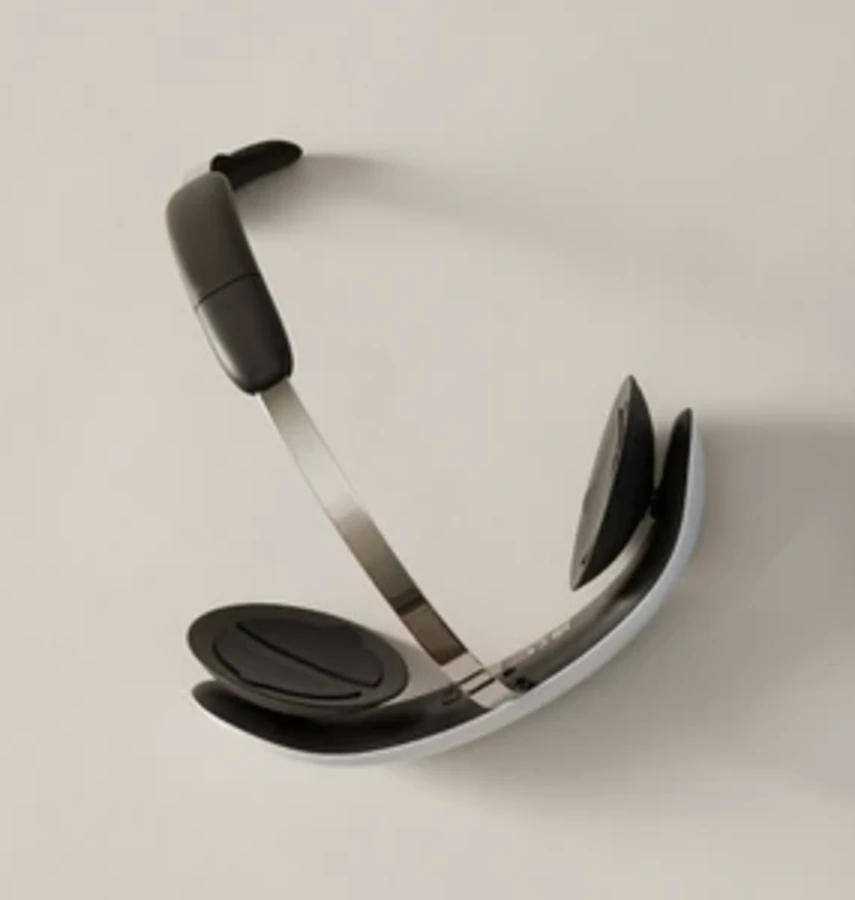
05Clinical brain stimulationFlow transcranial direct current stimulation headset on a neutral surface

Flow Neuroscience

Flow FL-100

€459EU purchase price; rental available
Worn
Forehead
Routine
30 min5×/week for 3 weeks; then 3×/week ongoing
Extras
Replacement electrode pads
Evidence viewClinical
What it supports

A 10-week multisite double-blind randomized sham-controlled trial tested the Flow FL-100 remotely in adults with major depressive disorder using 2 mA, 30-minute sessions over bilateral prefrontal targets. Validated clinician-rated depression outcomes favored active treatment.

A separate randomized home-use trial in a major depressive episode provides another device-specific controlled dataset. Together with FDA review, this is the deepest exact-device evidence in this five-product comparison.

What it does not prove

The findings apply to screened adults, the studied dosing schedule, major depressive disorder, and defined exclusions. They do not establish general cognitive enhancement, standalone anxiety treatment, use in minors, pregnancy, treatment-resistant depression, or unsupervised protocol changes.

Sham tDCS is difficult to blind perfectly because active stimulation can cause skin sensations. Flow supplied devices in at least one trial, and remission percentages depend on analysis population and definition; the primary continuous outcome and confidence intervals matter more than a single marketing percentage.

Sources used
Regulation & safetyMedical device

The FDA instructions specify prescription use for adults 18 and older with a current moderate-to-severe major depressive episode, as monotherapy or adjunctive treatment, who are not treatment resistant. Treatment is intended under healthcare-provider supervision, even when sessions occur at home.

Do not use over open, broken, or damaged skin at electrode sites or with metallic skull reconstruction near the stimulation area. Pregnancy, suicidal thoughts, seizure history, cranial or brain implants, and significant scalp conditions require discussion with the treating clinician.

Commonly described effects are local dryness, redness, tingling, itching, stinging or burning and transient headache. Reused or dried pads increase burn risk; worsening depression, suicidality, or unexpected neurological symptoms require prompt clinical attention.

Sources used
Owner experience4.5/5
4.5/5786 reviews · Trustpilot

The 3 August snapshot was 74% five-star and 8% one-star across 786 reviews, with 166 reviews in the preceding 12 months. Flow invites reviews and Trustpilot says it replies to 73% of negative reviews, typically within 48 hours.

Positive reviews frequently mention perceived mood improvement, a straightforward guided protocol, and responsive support. Negative and mixed reports include non-response, skin irritation or burns, increased anxiety, pressure or fit, headset quality, and the price and waste of single-use pads.

Unlike the evidence panel, these reviews are not screened by diagnosis, eligibility, adherence, concurrent treatment, or outcome definition. They can reveal usability and service patterns but should not be combined with trial remission rates.

Source used
Commercial clarityMixed

Purchase and rental routes are visible, but recurring electrode-pad costs materially affect the total.

The checked EU price was €459 to buy or €89 per month to rent. Purchase includes the headset, app, charger, and 24 single-use pad sets—about five weeks at the standard opening schedule; additional boxes cost €23.

Rental has no stated minimum term and includes scheduled pad deliveries and replacement coverage while active. A renter can buy the same headset for €370 within 30 days, totaling €459 with the first payment, or for €229 after three months under the current terms.

Both routes have a 30-day money-back window with prepaid return shipping. Purchased headsets have a two-year warranty, while rentals are covered during the active subscription. Pad consumption makes outright ownership’s total cost usage-dependent.

Sources used
May suit

Adults with diagnosed moderate-to-severe depression exploring a clinician-informed home treatment.

Look closer

This is treatment, not a general calm gadget; eligibility, contraindications, and regional access matter.

Our method

Evidence is a spectrum.

“Clinically proven” can refer to a technology, a protocol, a device, or a single outcome. Those are not interchangeable.

Read about our approach
  1. 01

    Identify the device

    We separate the exact commercial product from studies of a broadly related technology.

  2. 02

    Trace the claim

    We look for peer-reviewed human research, appropriate controls, meaningful outcomes, and conflicts of interest.

  3. 03

    Check the practical layer

    Price, session length, app reliance, consumables, returns, and regulatory status all affect the real decision.

  4. 04

    Date everything

    This market moves quickly. Each comparison carries a research date and links back to its sources.

Source desk

Research notes
for this edition.

01
taVNS for depressive disorders: systematic review and meta-analysisReview
12 randomized studies, 838 participants; evidence quality rated low to very low. Technology-level, not Nurosym-specific.
02
Noninvasive vagus nerve stimulation in POTSStudy
Double-blind sham-controlled trial, 26 participants, one hour daily for two months. Relevant to ear-based tVNS, not proof of general wellness claims.
03
Apollo Neuro and student burnout and wellbeingStudy
Preliminary 12-week randomized waitlist-controlled study in 66 medical and pharmacy students.
04
Apollo Neuro during ketamine-assisted therapyStudy
Small device-specific study in ketamine-assisted therapy; it found no significant between-group difference in GAD-7 improvement.
05
Home-based tDCS for major depressive disorderStudy
Multisite double-blind randomized sham-controlled trial of the Flow FL-100, published in Nature Medicine.
06
Home-use tDCS for a major depressive episodeStudy
Randomized clinical trial published in JAMA Psychiatry; Flow supplied devices, which is relevant when weighing independence.
07
Nurosym product documentationManufacturer
Source for current routine, positioning, price, and regulatory claims; not treated as clinical proof.
08
Pulsetto Lite product documentationManufacturer
Source for programs, price, gel requirement, and wellness positioning; no peer-reviewed device-specific trial was used.
09
Apollo usage guidanceManufacturer
Manufacturer recommends scheduling use for 3+ hours per day on at least 5 days per week for best results.
10
Sensate 2 product documentationManufacturer
Source for routine, price, app, and product positioning; no peer-reviewed device-specific clinical trial was found.
11
Flow US indication and availabilityManufacturer
Manufacturer regulatory information for the adult MDD indication and regional availability, checked August 2026.
12
Nurosym owner-experience snapshotOwner reviews
Trustpilot: 4.3/5 from 1,250 brand-level reviews; 72% five-star and 7% one-star. The company invites reviews. Checked 3 August 2026.
13
Pulsetto owner-experience snapshotOwner reviews
Trustpilot: 4.2/5 from 3,402 brand-level reviews; 62% five-star and 15% one-star. The company invites reviews. Checked 3 August 2026.
14
Apollo Neuro owner-experience snapshotOwner reviews
Trustpilot: 3.1/5 from 230 brand-level reviews; 39% five-star and 22% one-star. Checked 3 August 2026.
15
Sensate owner-experience snapshotOwner reviews
Trustpilot: 3.9/5 from 1,580 brand-level reviews; 73% five-star and 16% one-star. The company invites reviews. Checked 3 August 2026.
16
Flow Neuroscience owner-experience snapshotOwner reviews
Trustpilot: 4.5/5 from 786 brand-level reviews; 74% five-star and 8% one-star. The company invites reviews. Checked 3 August 2026.
17
Auricular tVNS and anxiety in university studentsStudy
Double-blind randomized controlled study of 42 participants with elevated anxiety. Technology-level evidence; it did not test Nurosym.
18
Nurosym contraindications and safety guidanceManufacturer
Official contraindication and precaution list, including implanted devices, pregnancy, low resting heart rate, and recent serious cardiac disease. Manufacturer safety documentation, not independent incidence data.
19
Nurosym returns and warranty termsManufacturer
Official 30-day trial process plus two-year device and six-month earpiece warranty terms; return postage is paid by the customer.
20
Pulsetto contraindicationsManufacturer
Official precaution list for implanted electronics, cardiovascular and neurological conditions, pregnancy, pediatric use, and concurrent stimulation. This is manufacturer guidance for a wellness product.
21
Cervical nVNS and acute stress physiology in PTSDStudy
Double-blind randomized sham-controlled study in 25 people over three days; it measured physiological stress responses with a different cervical device and protocol, not Pulsetto.
22
Pulsetto product, app, gel, return, and warranty termsManufacturer
Official current sale pricing, included core app, optional Premium trial, gel requirement, 30-day return window, and two-year warranty. Promotional prices can change.
23
Apollo regulatory position and safety guidanceManufacturer
Apollo describes the wearable as a consumer wellness device, not an FDA-approved treatment; its guidance advises avoiding injured or irritated application sites.
24
Apollo bundle, membership, return, and warranty termsManufacturer
Official $448 bundle with one year of SmartVibes, one-year hardware warranty, and 30-day return terms. Shipping, duties, and a $10 return-handling fee are not refunded.
25
Sensate II perceived-stress study registrationStudy
ClinicalTrials.gov registration for an observational utilization and perceived-stress study. A registration establishes a planned study, not efficacy or published results.
26
Vibroacoustic therapy evidence mapReview
Scoping review of 20 studies in adults with pain; interventions and outcomes were heterogeneous and did not test Sensate or establish mental-health efficacy.
27
Sensate product, safety, returns, and membership termsManufacturer
Official $269 base price, free core library, optional $49.99/year Plus plan, 90-day returns, 12-month warranty, and manufacturer cautions for pregnancy and implanted electronics.
28
FDA instructions for use for Flow FL-100Regulatory
FDA-reviewed indication, patient eligibility, contraindications, warnings, adverse effects, and supervised-use requirements for adults with major depressive disorder.
29
Flow purchase, rental, pads, returns, and warranty termsManufacturer
Official EU pricing: €459 purchase or €89/month rental; purchased use requires single-use pad refills after the included box. Includes current return and warranty terms.

On the horizon

A news desk is coming.

Regulatory changes, new trials, product launches, and price shifts—distilled without the hype. For now, tell us what deserves investigation next.

Suggest a product